
Decoding MP Materials: From Mine to High-Tech Magnets
Introduction to MP Materials Explainer
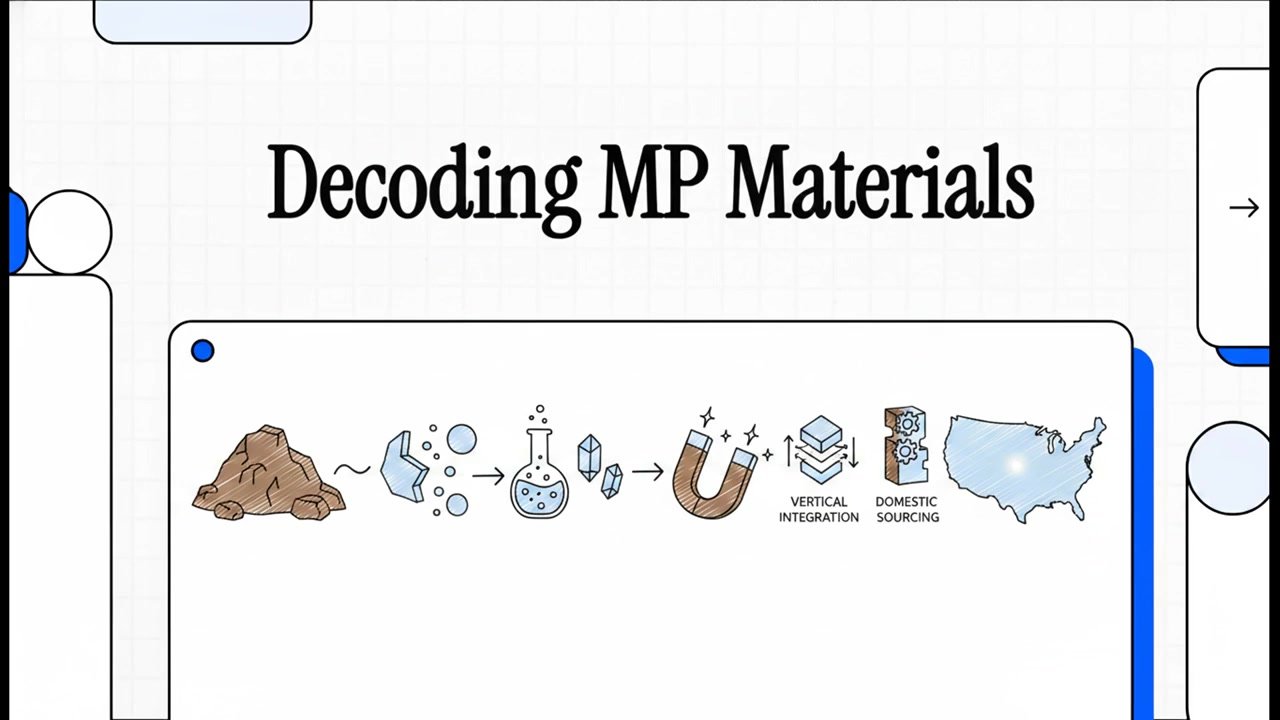
Okay, let's dive right into this explainer. Today, we're unpacking a really fascinating SEC filing from a company called MP Materials. We are tracing the journey of critical technology, literally starting from dirt in the ground all the way up to high-tech magnets.
It's honestly a masterclass in vertical integration and the rapid shift in domestic sourcing. You know, hidden inside the electric motors and generators of our modern society are these crucial enablers.

Understanding Rare Earth Elements
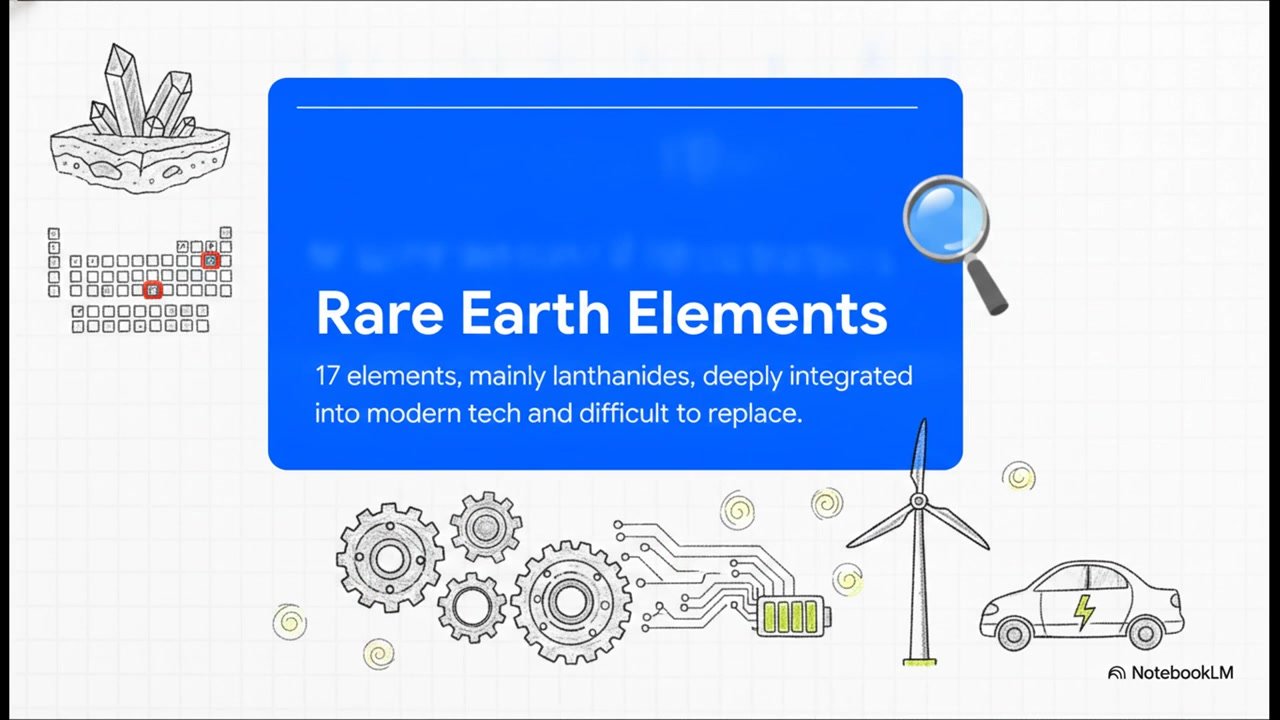
It's rare earth elements, or REEs. Think of these elements as the vitamins of modern chemistry. Just like your body needs small amounts of specific vitamins to function optimally, well, modern technologies use REEs in small, supporting amounts, but their presence is absolutely critical to performance.
Over the last several decades, these 17 specific elements have become deeply integrated into our global industrial foundation, and they've proven to be are incredibly difficult to duplicate or replace.
Light Medium and Heavy REE Categories
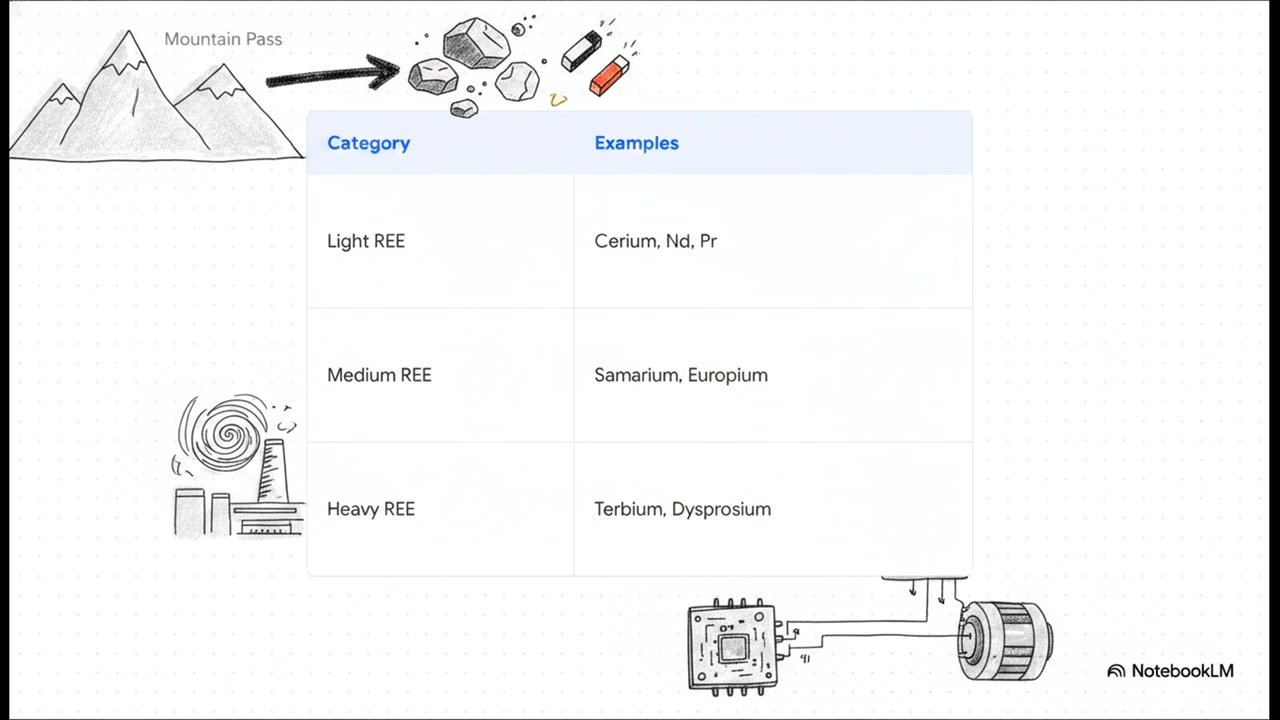
The source material actually categorizes these elements into light, medium, and heavy groups. You have your light REEs, like lanthanum, cerium, praseodymium, and neodymium. Then your medium ones, like samarium, and your heavy ones, like terbium and dysprosium.
This distinction is super vital because the Mountain Pass ore body, which we'll be talking about in just a second, predominantly contains those highly sought-after light rare earths.
Widespread Tech Sector Applications

And these materials are completely ubiquitous across tech sectors. We aren't just talking about one niche industry here. The end markets for rare earths span everything from the smartphone in your pocket and cordless power tools to offshore wind turbines and critical defense avionics like radar and drones.
Essentially, if it relies on a high-efficiency electric machine, a permanent magnet, or advanced electronics, it for sure relies on these specific elements.
Global Rare Earth Oxides Market Scale
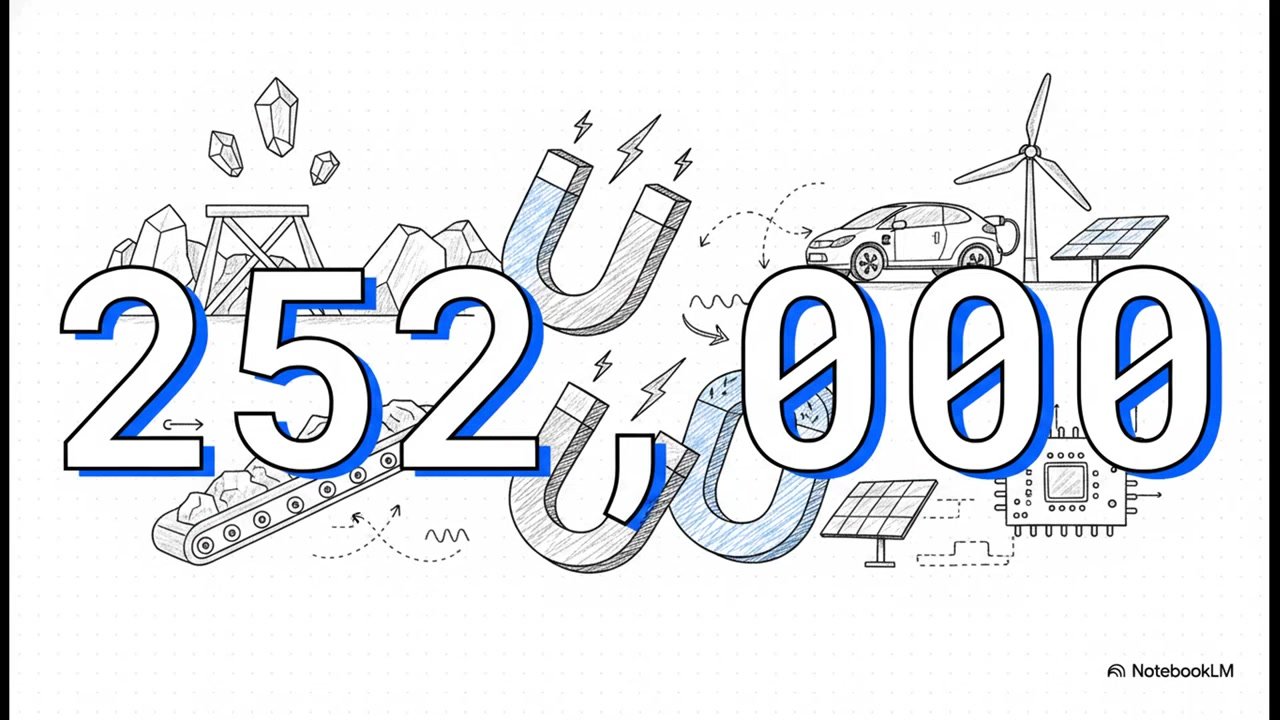
To put the sheer scale of this reliance into perspective, Let's look at the numbers. According to the research cited in the filing, the global market for rare earth oxides totaled a massive 252,000 metric tons in the year 2025 alone. That is a staggering amount of material moving through the global supply chain, and as we modernize our power grids and transition to electric mobility, that number is only climbing.
NdPr Segment Growth Dynamics
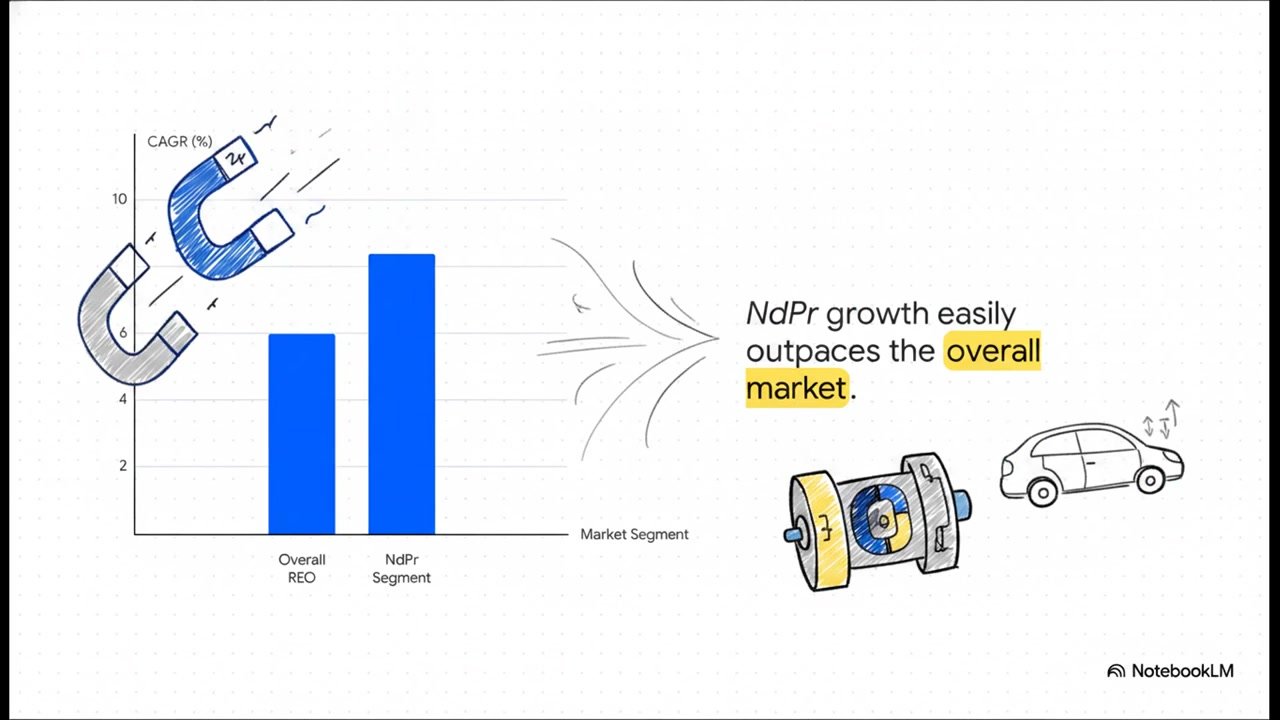
So the really crucial point here is that while the overall market for rare earth oxides is growing steadily, at about a 6% compound annual growth rate through 2040, a very specific Nex segment is actually outpacing it. The NdPr segment, which stands for neodymium praseodymium, is growing at an even faster 8.4% clip. This outsized growth is being driven entirely by secular demand for permanent magnets.
The world simply needs more magnets to build more efficient electric motors.
MP Materials Company Introduction
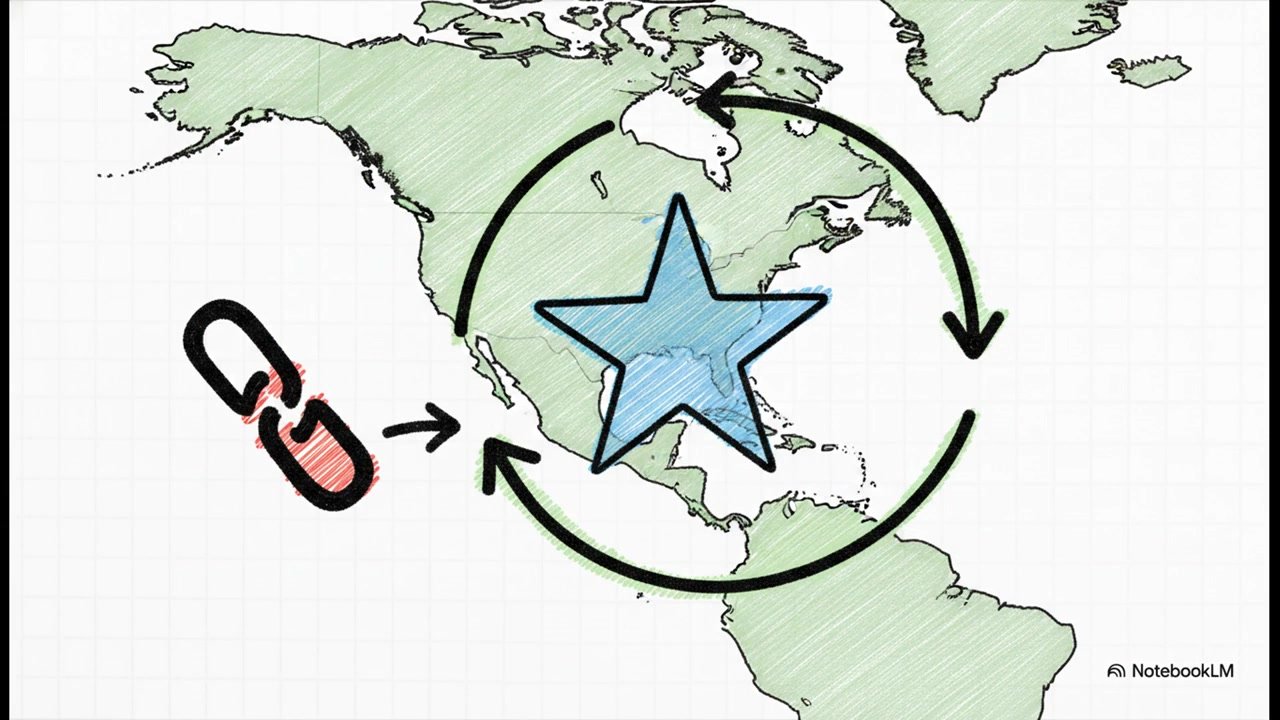
Enter our protagonist for this explainer: MP Materials. Headquartered in Las Vegas, they hold the unique title of being the largest producer of rare earth materials in the Western Hemisphere. They are stepping into this massive, growing global market with a very specific goal.
They are attempting to rebuild this critical supply chain right here in the United States, effectively reducing reliance on foreign supply chains.
Upstream and Downstream Business Split
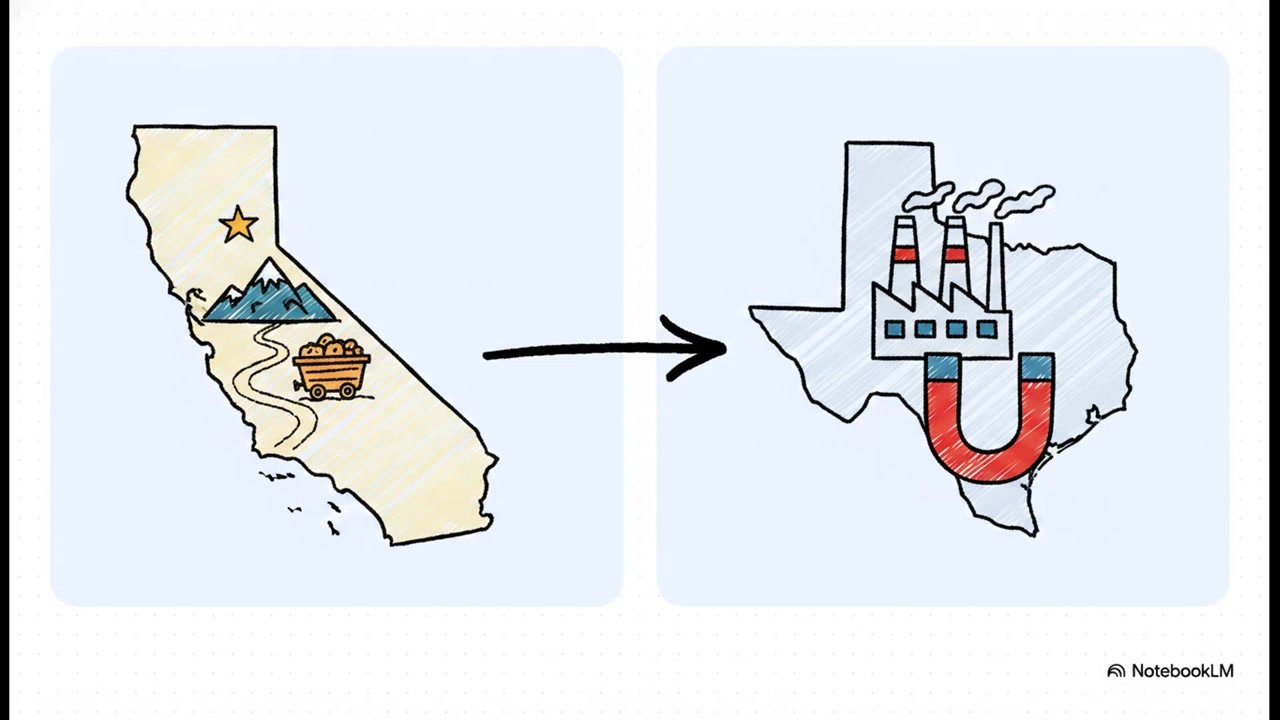
To pull off this massive domestic shift, the company essentially splits its business model perfectly in two. On one side you have the Materials segment, representing the upstream and midstream operations based in California. On the other side you have the Magnetics segment, representing the downstream manufacturing operations based in Texas.
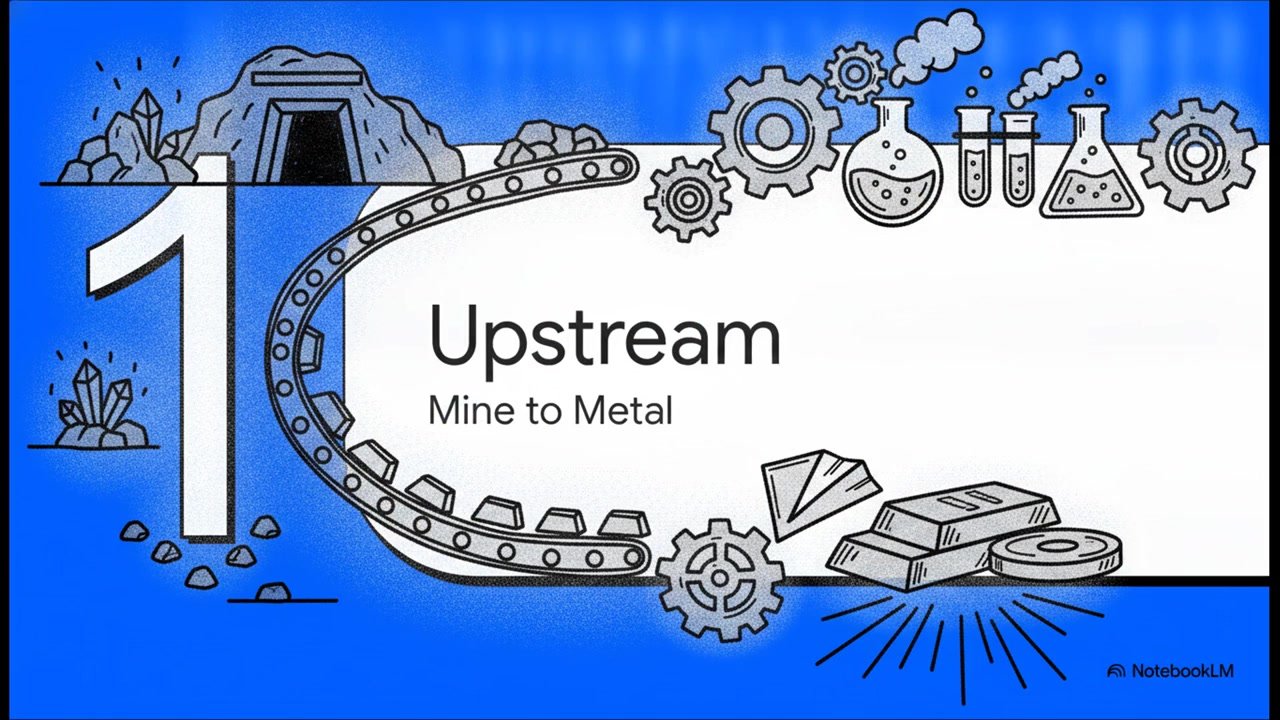
Dirt literally comes out of the ground on the West Coast, and finished high-tech magnets are manufactured in the South. Section 1: Upstream: From Mine to Metal.
Transition to Upstream Operations
_No transcript available for this scene._
Mountain Pass Facility Operations
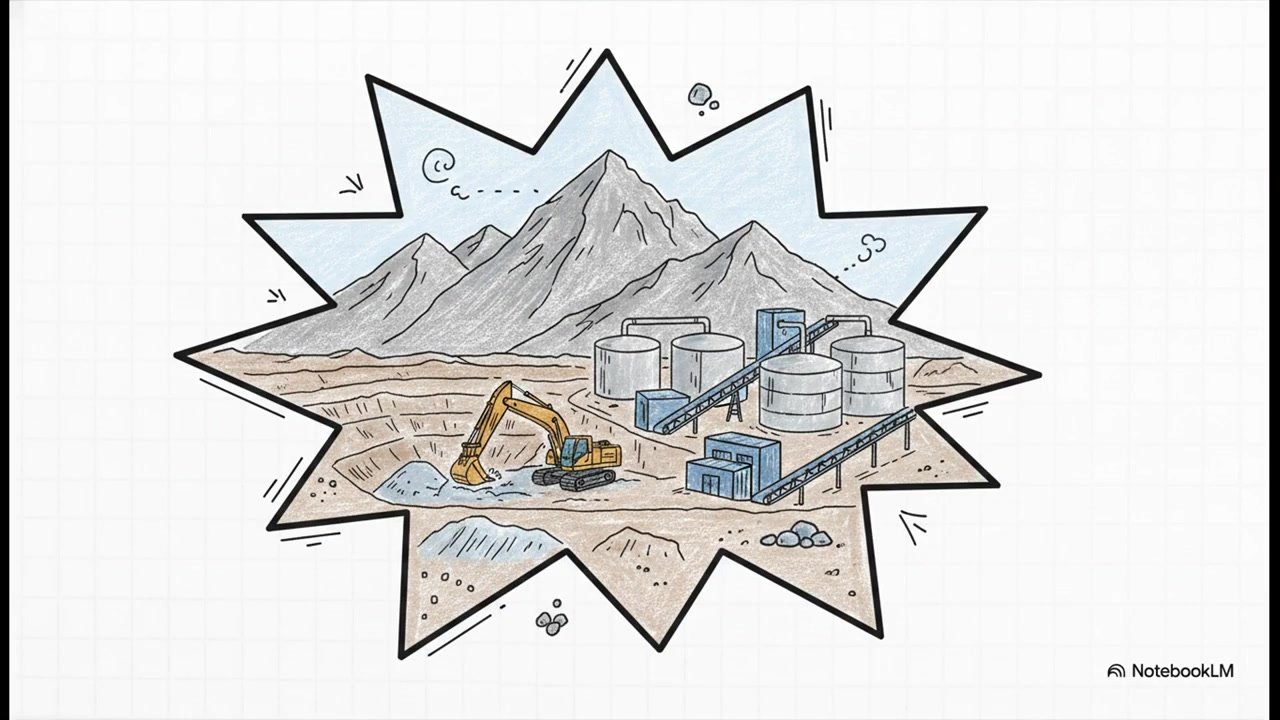
The heart of this operation is the Mountain Pass facility out in California. Currently, it's the only rare earth mining and processing site of scale in all of North America. Operating with high environmental standards, they pull raw ore from the earth, doing the literal heavy lifting, and process it into a usable format.
Keeping those first crucial steps of the supply chain entirely domestic. And the absolute crown jewel of their extraction process at Mountain Pass is NdPr, or neodymium praseodymium.
NdPr Extraction and Vertical Integration
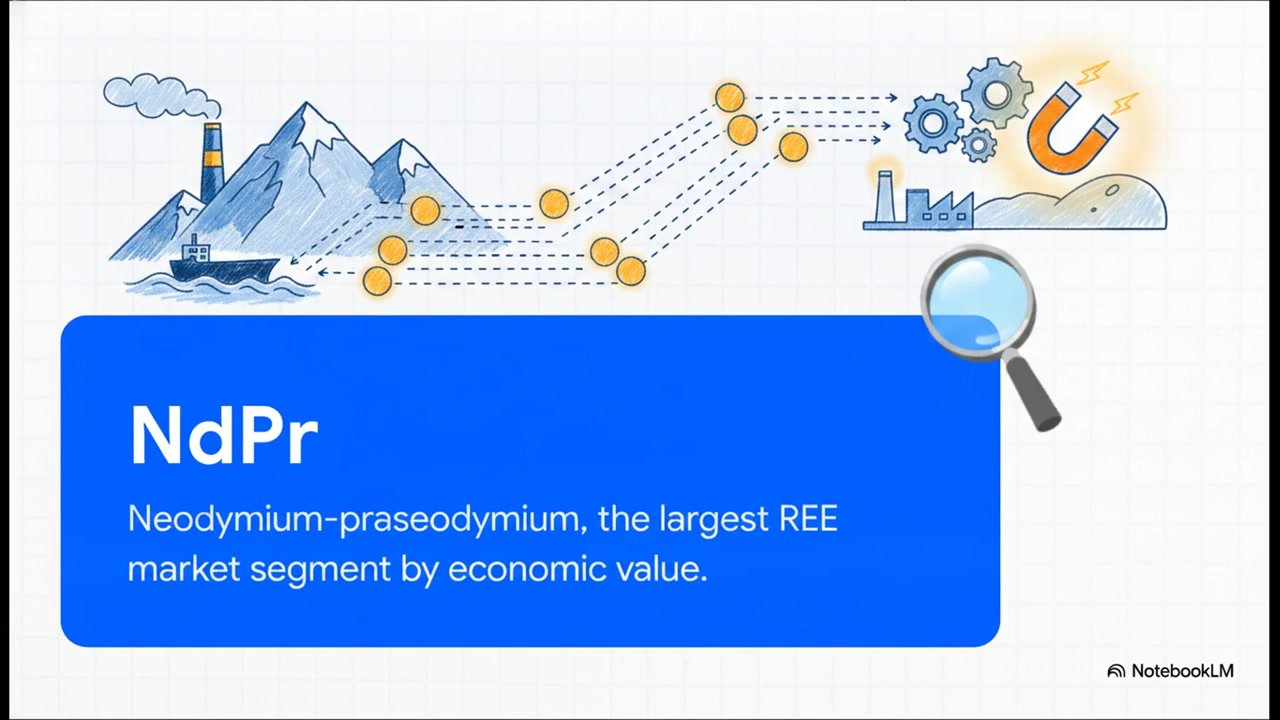
By economic value, this is the single largest segment of the REE market. Historically, MP Materials operated primarily by selling rare earth concentrate to a distributor, who then typically sold it to refiners in China. But now, this NdPr is central to MP's own vertical integration strategy.
Instead of shipping it overseas, they want to keep the whole shebang in-house.
Downstream Magnet Manufacturing Section
Section 2: Downstream—Making the Magnets. The momentum here is incredibly rapid.
GM Revenue and Texas Facility Launch
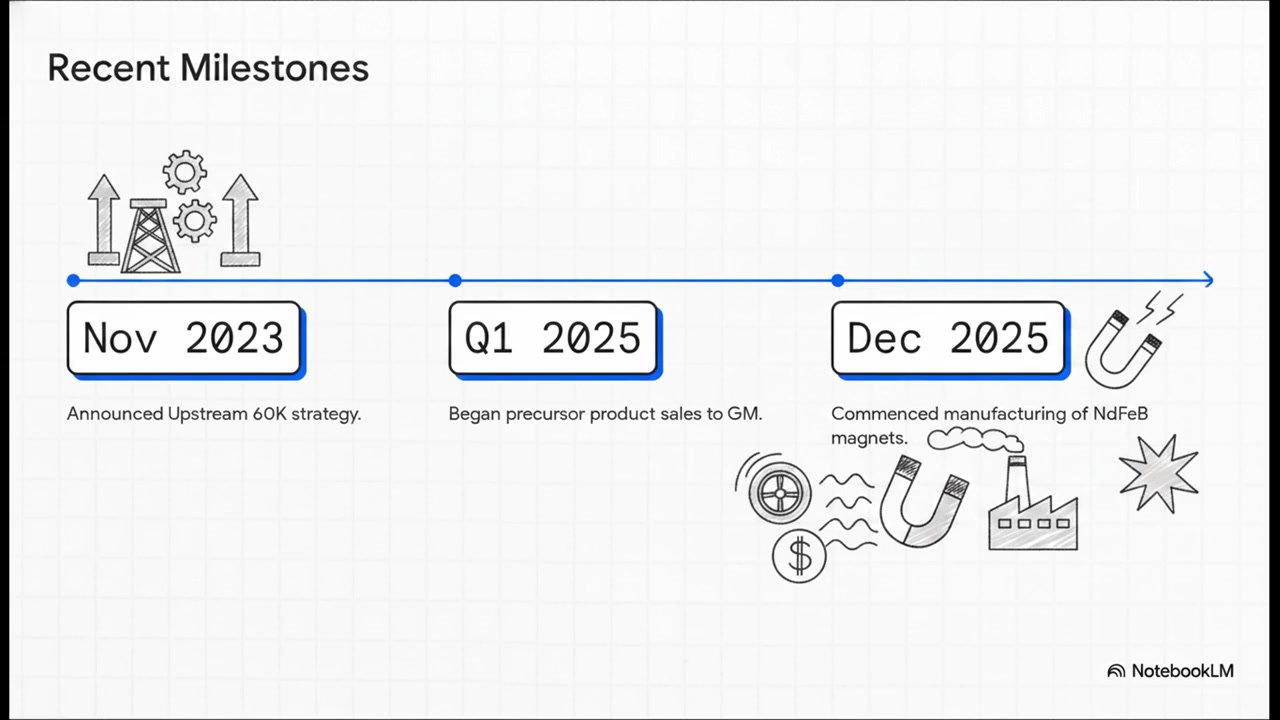
After laying the groundwork with their upstream $60K strategy, they actually began generating revenue by selling magnetic precursor products to General Motors in the first quarter of 2025. This all culminated in a massive milestone in December 2025, when they officially commenced manufacturing finished permanent magnets at their Independence facility in Fort Worth, Texas.
Government Partnership Section
Section 3: The Government Partnership: A Transformational Catalyst.
Department of War Agreements

So, in the summer of 2025, the company established a truly transformational public-private partnership. Impartially reporting the facts from the filing here, they entered into definitive agreements with the U.S. Department of War, formerly known as the Department of Defense. The stated goal of these agreements is to accelerate the buildout of an end-to-end U.S. rare earth magnet supply chain and explicitly reduce foreign dependency.
To ensure the success of this initiative, the government stepped in with a massive financial backstop.
EBITDA Guarantee and Offtake Terms
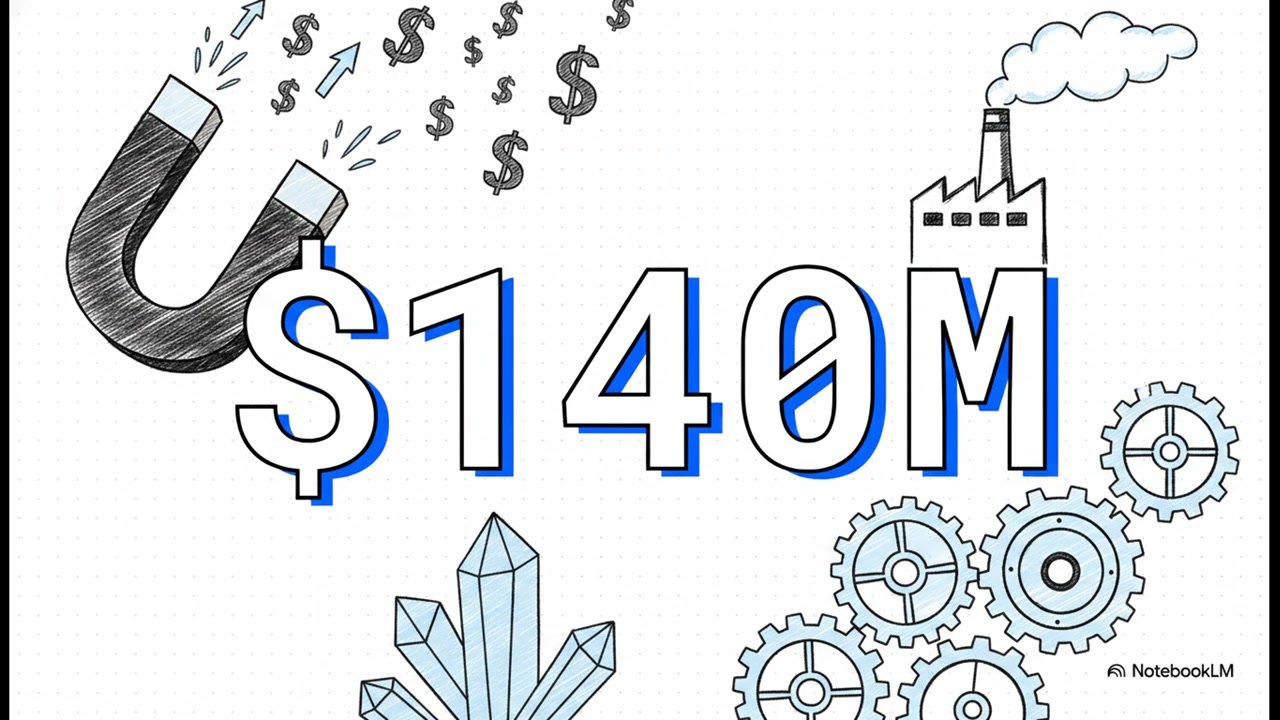
As part of an offtake agreement, the Department of War guaranteed that MP Materials' brand-new 10X facility will generate a minimum of $140 million in EBITDA, subject to annual escalation, of course. Plus, the government secured the right to purchase all of the magnets produced at that specific facility. That is a massive level of guaranteed demand.
The sheer scale of this partnership goes well beyond just buying magnets.
Funding Expansions and Price Protections

The agreements fund the expansion of the Texas Independence facility, the construction of that second domestic 10X plant, and they even extend heavy rare earth refining capabilities back at the California mine. Furthermore, it includes a price protection agreement providing a price floor for the NDPR produced at Mountain Pass. It's really a comprehensive approach to insulating the domestic supply chain from market volatility.
Three-Step Domestic Supply Chain Section

Section 4: Securing the Future and the Path Forward. This strategy effectively creates a fully realized 3-step domestic supply chain.
California to Texas Supply Chain Flow
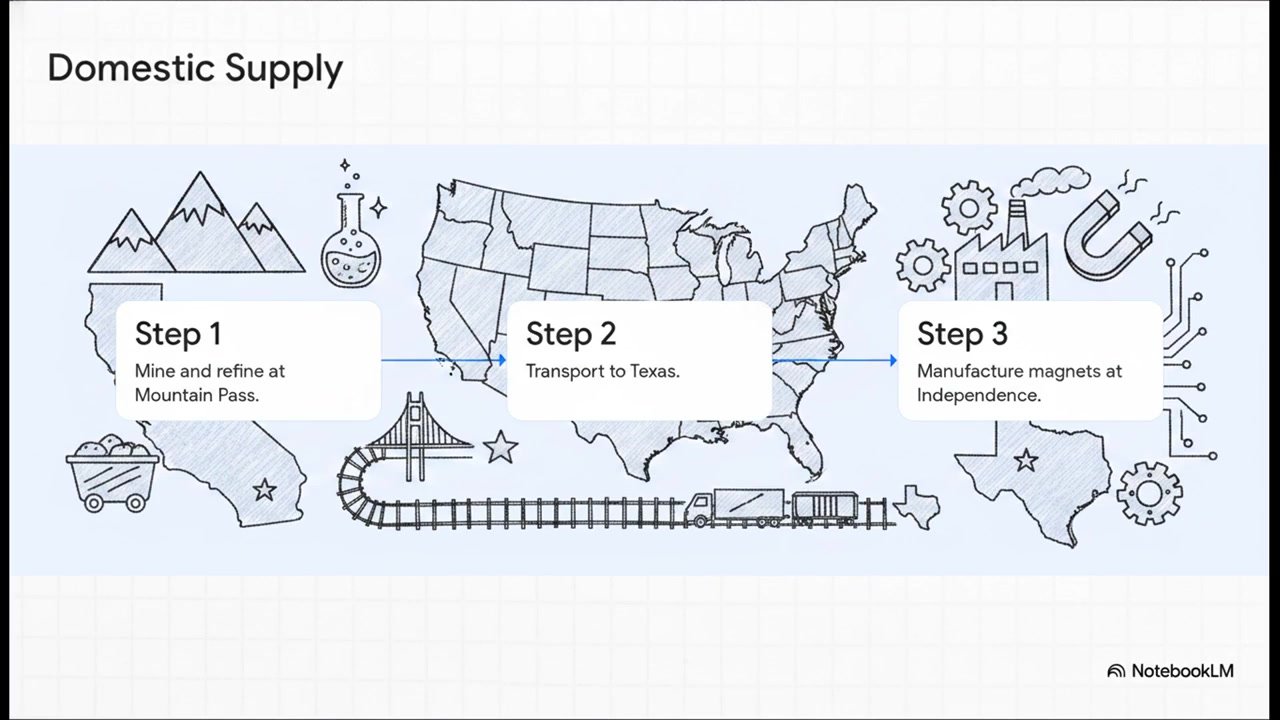
Step 1: mine and refine in California. Step 2: transport those materials across the country. And Step 3: manufacture the finished product in Texas.
By successfully linking these steps, MP Materials is breaking historical reliances on foreign processing and proving that end-to-end advanced material manufacturing can actually happen domestically. Now, to ensure they can actually feed this massive new downstream demand, they're actively optimizing their upstream operations.
Upstream 60K Production Strategy
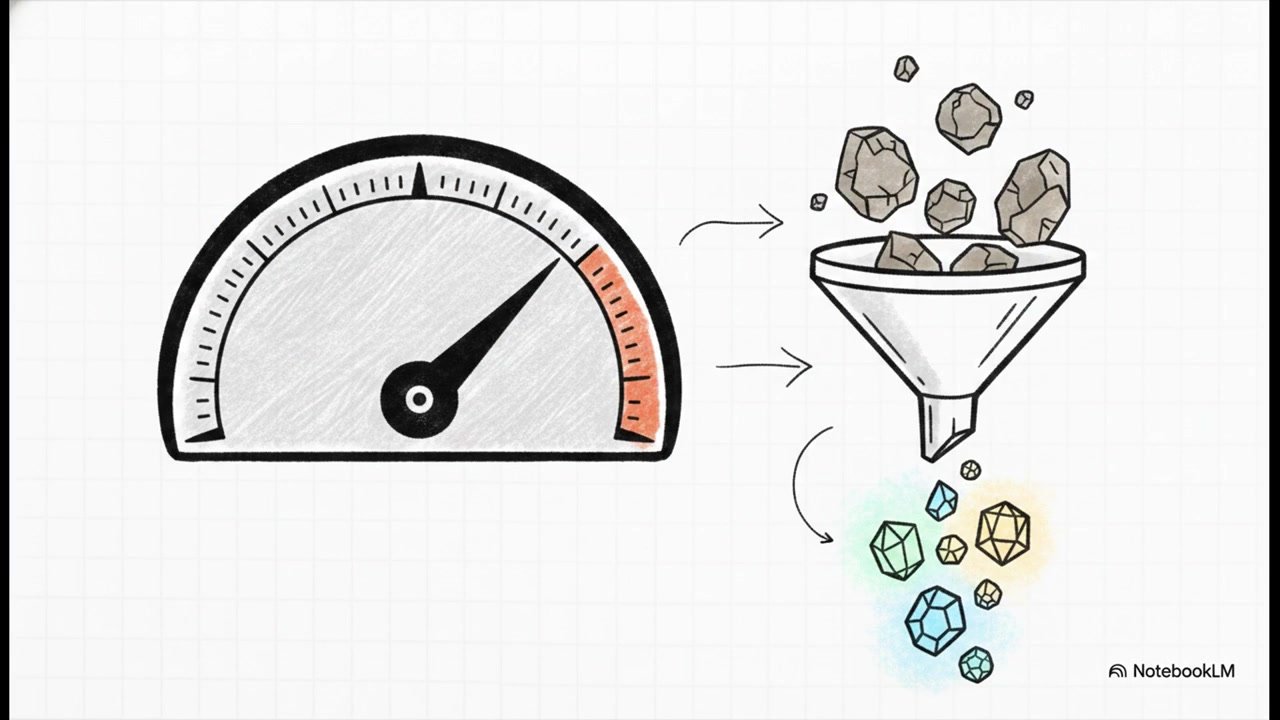
Their Upstream 60K strategy is designed to significantly boost raw production volumes—up to 60,000 metric tons of rare earth oxides annually. They're doing this by investing in better beneficiation capabilities and figuring out how to efficiently utilize lower-grade ore from the Mountain Pass site. This all ties back to one overarching philosophy, directly from their filing, to offer the Western Hemisphere a trusted, sustainable source of supply for materials and components that enables the development of critical industries.
Technological Security Positioning
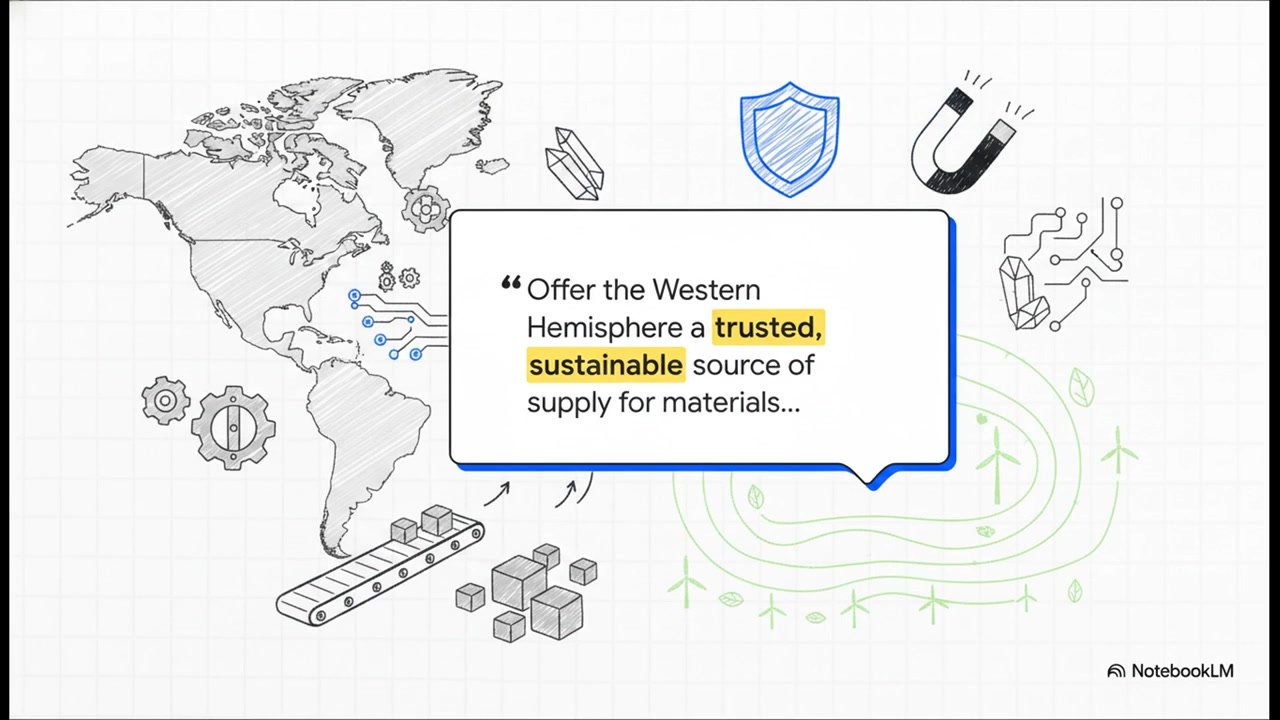
They are really positioning themselves not just as a mining company, but as a foundational pillar for Western technological security.
Future Supply Chain Questions

Which leaves us with this final thought for today's explainer. As global reliance on these critical materials grows exponentially to support electric vehicles, physical AI, and advanced defense systems, how will the global supply chain continue to adapt and evolve? And more importantly, as the world electrifies, who will ultimately control the physical building blocks of our technological future?
Thanks for joining me today, and keep questioning the systems that power our world.
Closing Remarks

_No transcript available for this scene._